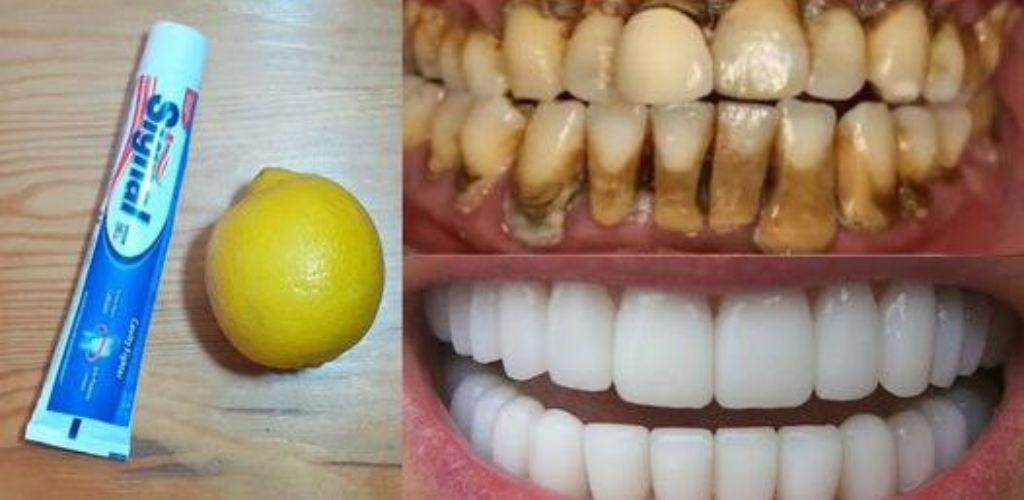
Sounds like an interesting approach to whitening your teeth naturally! In fact, there are some home remedies that are often used as “toothpaste alternatives” or “whiteners”. However, it is extremely important to note that not all home remedies are suitable for regular or long-term use, as they can damage the enamel on your teeth.
Before giving instructions, I want to strongly emphasize the following points:
Acidic and abrasive action: Many “whiteners” work through acid (e.g. lemon) or strong abrasive action (e.g. baking soda). Both can erode or wear away the enamel on your teeth, making your teeth more sensitive and, in the long term, even making them appear more yellow, since the underlying (yellowish) dentin is exposed.
Regular Toothpaste and Dentist: Fluoride toothpaste is essential for protecting against cavities. Homemade toothpastes are not a substitute for commercial toothpastes, nor are they a substitute for regular dental visits.
Individual Response: Not all teeth react the same way to home remedies. What works for one person may be harmful to another.
A Cautious Approach to Natural Whitening with “Homemade Toothpaste”
If you are looking for a gentle, non-acidic method that can complement (not replace) your regular dental care routine, this is often the safest homemade option.
This “toothpaste” is intended to remove surface stains and leave a clean feeling. The “whitening” occurs primarily by mechanically removing plaque, not by bleaching the teeth.
Ingredients:
Baking Soda (Baking Powder): About 1 to 2 teaspoons. Baking soda is a mild abrasive and can remove surface stains. It is also slightly alkaline, which can help neutralize oral acids.
Virgin coconut oil: About 1 to 2 teaspoons. Coconut oil has antimicrobial properties and can help reduce bacteria in the mouth. Gives the desired consistency.
Peppermint essential oil (optional): 2 to 3 drops of food-grade. For a fresh taste and additional antimicrobial effect.
Directions:
Place the baking soda in a small bowl.
Add the coconut oil. If the coconut oil is solid, you can heat it slightly to make it liquid, but do not heat it too much.
Mix well until a paste forms. It should be the consistency of thick toothpaste. Adjust the amounts to achieve the desired consistency.
Add the drops of peppermint oil and mix well again.
Pour the paste into a small, clean, airtight glass container.
Instructions (Important!):
Frequency: Do not use this toothpaste daily. Use it no more than 1-2 times a week to minimize the risk of wear and tear on the varnish.
After regular use of the toothpaste: It is recommended that you first brush your teeth as usual, with a fluoride toothpaste. Then, you can apply a small amount of the homemade toothpaste to your toothbrush.
Gentle brushing: Brush your teeth gently with this toothpaste, especially if you use baking soda. Concentrate on areas with discoloration.
Rinse: Rinse your mouth thoroughly with water after brushing.
Note: Watch for signs of sensitivity or pain. If these occur, discontinue use immediately and consult your dentist. What to avoid (homemade whitening toothpaste tips that can be dangerous):
Lemon juice/vinegar combined with baking soda: The combination of acid (lemon, vinegar) and baking soda can cause an extremely damaging chemical reaction to tooth enamel. Acid eats away at enamel, and baking soda is abrasive.
Hydrogen peroxide (concentrated): Although used in professional whitening products, it is difficult to use safely at home as a homemade toothpaste and can cause gum irritation and damage to tooth enamel if the concentration is too high or used incorrectly.
Activated charcoal (paste): Although activated charcoal is popular for “detoxing,” its abrasive action is very strong and can permanently erode tooth enamel, leading to increased sensitivity and potentially visible yellowing when dentin is exposed.
Conclusion:
A homemade toothpaste made with baking soda and coconut oil can be a gentle way to reduce surface stains if precautions are taken. However, it is not a substitute for professional teeth cleaning or daily use of fluoride toothpaste. If you want significantly whiter teeth or are unsure, always consult your dentist first. They will be able to recommend the safest and most effective options for your specific oral health needs.