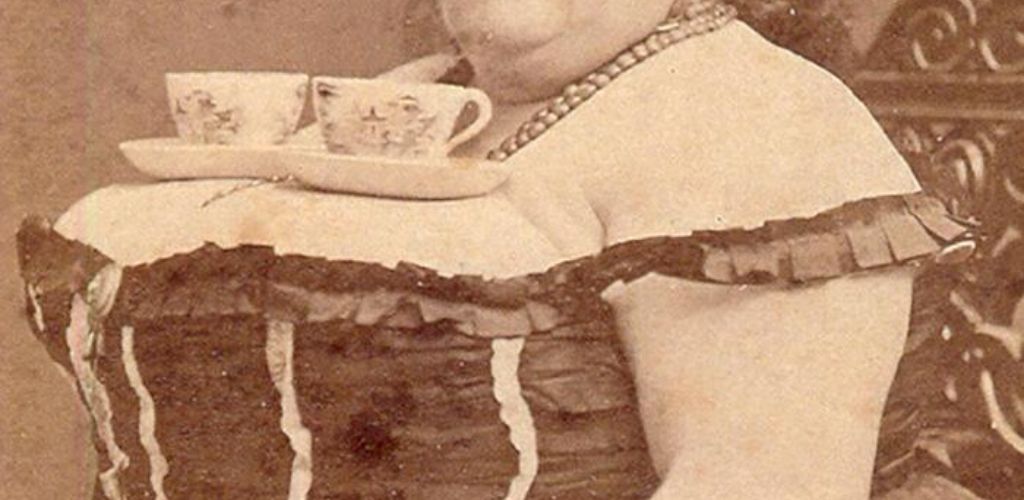
Here are 10 types of photographs that can refute common stereotypes about the “Dark Victorian Era,” often with examples found in online archives:
Laughing People in Portraits: Contrary to the assumption that Victorians always looked serious in photographs (often due to long exposure times), there are a surprising number of shots of laughing, smiling, or exuberant people. These show that joy and emotion also had their place in front of the camera.
Hidden or Unconventional Tattoos: Although tattoos were not widespread, they did exist, and some photographs reveal finely crafted or hidden tattoos, particularly among sailors or upper-class women who wore them under their clothing.
Humor and buffoonery: Many private snapshots (often amateur shots) show people striking funny poses, playing jokes, or even cross-dressing, suggesting a much stronger sense of humor and playfulness than is commonly assumed.
Unexpected fashion and extravagance: In addition to strict corsets, there was also avant-garde fashion, bold colors (although black-and-white photos don’t reflect this), and accessories that went far beyond the essentials, as well as “reformed” clothing that focused on comfort and freedom of movement.
Steam cars and early automobiles: Photographs of early modes of transport, such as the first steam cars or automobiles, reveal an era of rapid technological progress and a fascination with the future, not just the past.
Leisure and sports: Photographs of cricket matches, cyclists, ice skaters, or swimmers demonstrate that sports and active leisure activities were an important part of Victorian life, not just rigorous work and education.
Pets as family members: Numerous portraits depict people with their pets (dogs, cats, birds), often lovingly staged. This underscores the emotional bond and status of animals as part of the family, something that is often overlooked.
Children at play: In addition to the often posed portraits of children, there are also authentic shots of children playing, revealing a carefree and lively side of Victorian childhood, far removed from Victorian child labor.
Ethnic and class diversity: Not all Victorians were white Europeans. Photographs of people from the colonies, immigrants, or people from different social classes offer insight into the global and diverse society of that time.
Women in unusual professions or roles: While women are often reduced to their role in the household, there are photographs of early female doctors, scientists, photographers, or adventurers that document the pioneering work of women in various fields.
These photographs are often difficult to find because they don’t fit the current marketing narrative of the era or are simply less well preserved. However, they are invaluable in painting a more nuanced and truthful picture of Victorian life.