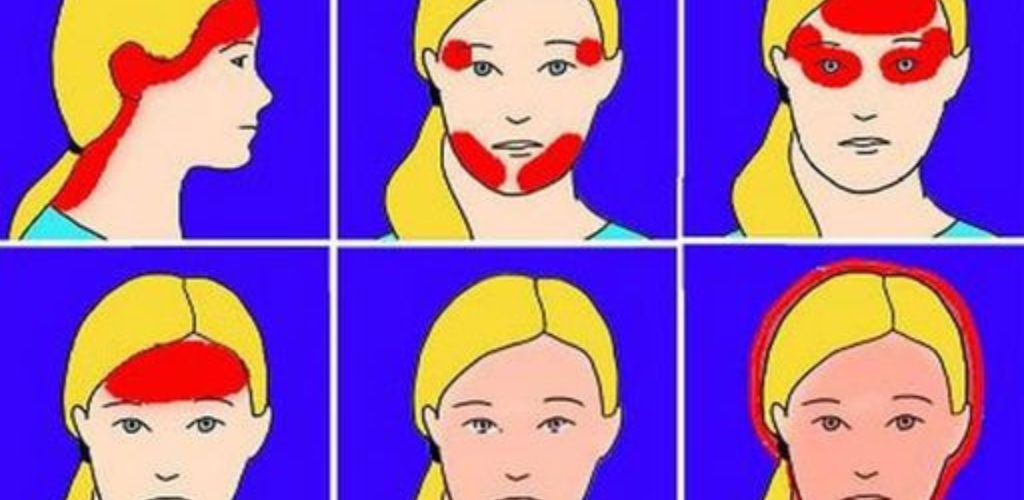
Headaches are among the most common health problems. There are many types and causes. Most are harmless, but some indicate a more serious condition. It’s important to recognize the differences and know when to see a doctor.
Headaches are generally divided into primary and secondary headaches.
Primary headaches: These represent the underlying problem and are not caused by another condition. They account for the vast majority of all headaches.
Secondary headaches: They are a symptom of another condition (e.g., infection, injury, high blood pressure, tumor, medication overuse).
Here are some of the most common headache types, their meaning, and treatment options:
Tension Headache
Meaning and Symptoms: This is the most common type of headache. It is often described as a dull, pressing ache or pressure throughout the head, as if a tight band is being pulled tight. Migraines can also affect the neck and shoulders. The intensity is mild to moderate. Nausea, vomiting, or sensitivity to light or sound usually do not occur to the same extent as with a migraine.
Causes: Often associated with stress, anxiety, poor posture (e.g., sitting at a computer for long periods), lack of sleep, dehydration, or excessive eye strain.
Solutions:
Immediate relief: Over-the-counter pain relievers (ibuprofen, acetaminophen, aspirin).
Long-term/Prevention:
Stress management (relaxation techniques, yoga, meditation).
Regular physical activity (walking, swimming).
Adequate fluid intake.
Improve posture and ergonomics at work.
Get enough sleep.
Warm compresses on the neck and shoulder area, massage.
Migraine
Significance and symptoms: Migraine is a neurological disorder. The pain is usually severe to very severe, throbbing, and often occurs on one side (but also on both sides). They are accompanied by pronounced sensitivity to light (photophobia), noise (phonophobia), and/or smells, nausea, and vomiting. Movement or physical activity worsens the pain. Some sufferers also experience a so-called aura (e.g., visual disturbances—flashes, waves, blind spots) before or during the attack.
Causes: The exact cause is unknown, but a combination of genetic and environmental factors is thought to be present. Triggers can be individual (certain foods, alcohol, lack/excess sleep, stress, hormonal changes in women, weather changes).
Solutions:
Acute treatment:
Over-the-counter pain relievers (ibuprofen, naproxen) for milder attacks.
Specific prescription migraine medications (triptans)—effective for moderate to severe attacks.
Rest in a dark, quiet room.
Preventive treatment: If migraine attacks are frequent or severe, your doctor may prescribe medication to prevent attacks (e.g., beta-blockers, antidepressants, antiepileptic drugs, or the newer biologic therapy with CGRP inhibitors).
Treatment measures: Identify and avoid triggers, get regular sleep, drink plenty of fluids, eat regular meals, and reduce stress.
Cluster headache
Significance and symptoms: This is a relatively rare but extremely intense form of headache, also known as a “suicide headache” due to its unbearable intensity. The pain is sharp, stabbing, one-sided, and concentrated in the eye, temple, or forehead. Attacks occur in “clusters,” often several times a day for weeks or months, followed by pain-free periods. Accompanying symptoms occur on the affected side of the head: watering, redness of the eye, swelling of the eyelid, drooping of the eyelid, nasal congestion or runny, and sweating of the forehead and face. Patients are often restless and unable to lie down.
Causes: The exact cause is not fully understood, but hypothalamic dysfunction is suspected. Alcohol or nicotine are common triggers.
Solutions:
Acute treatment: Inhalation of 100% oxygen via a mask, injectable triptans.
Preventive treatment: Prescription medications (e.g., corticosteroids, verapamil, topiramate).
Important: Due to the intensity of the pain, prompt diagnosis and treatment by a specialist (neurologist) is required.
Sinus headache
Significance and symptoms: It occurs with inflammation of the paranasal sinuses (sinusitis). The pain is oppressive, dull, and localized in the forehead, under the eyes, or around the nose. It worsens with bending forward, sudden head movements, or pressure on the affected area. Accompanying symptoms include nasal congestion, mucus discharge, fever, fatigue, and toothache