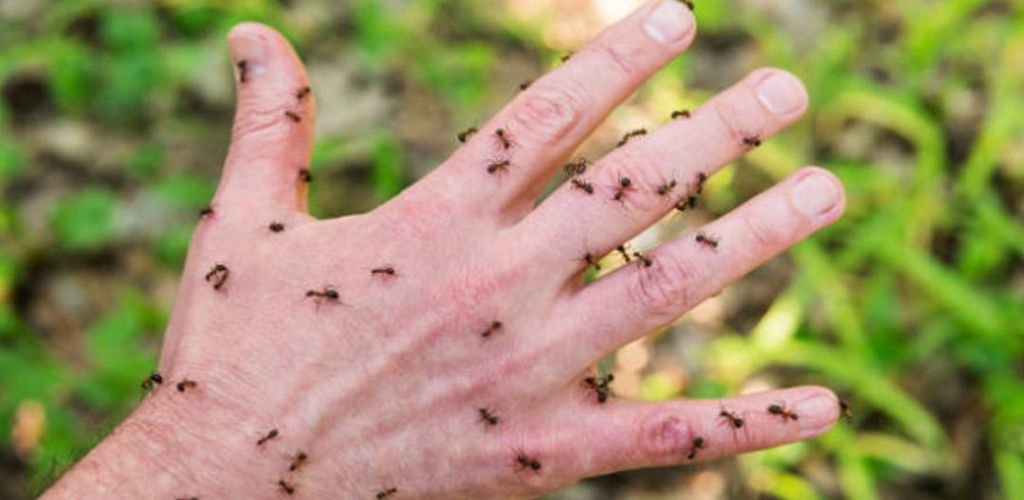
Permanently getting rid of ants, both in your home and garden, requires a multi-pronged approach that combines immediate elimination with long-term prevention. Here’s a comprehensive guide to tackling these persistent pests:
Understanding Ant Behavior is Key:
Before you start, it’s helpful to understand a bit about ants. They are highly social insects living in colonies that can number from hundreds to millions. When you see a few ants, they are likely scouts looking for food. If they find it, they’ll lay down a pheromone trail to guide their nest-mates. The goal is to eliminate the entire colony, not just the visible ants.
Part 1: Getting Rid of Ants in Your Home
The focus here is on baiting, sealing entry points, and removing food sources.
1. Ant Baits (Most Effective Method for Colony Elimination):
- How they work: Baits contain a slow-acting insecticide mixed with an attractive food source (sugar or protein, depending on the ant species). Ants take the bait back to the nest, sharing it with the queen and other ants, eventually destroying the entire colony.
- Application:
- Place baits where you see ants, but out of reach of children and pets.
- Don’t kill the ants you see on the bait; let them take it back to the nest.
- Be patient; it can take several days to a few weeks for the colony to be eliminated.
- Types: Gels, liquid stations, or granular baits.
2. Seal Entry Points:
- Identify: Look for cracks in walls, gaps around windows and door frames, utility line entry points (pipes, wires), and foundation cracks.
- Seal: Use caulk, silicone sealant, plaster, or expanding foam to seal these tiny openings. This prevents new ants from entering and makes your baiting efforts more effective.
3. Eliminate Food & Water Sources:
- Cleanliness is Crucial:
- Wipe down counters, tables, and floors regularly, especially after meals.
- Store food in airtight containers (jars, plastic containers with sealed lids).
- Don’t leave pet food or water bowls out overnight.
- Empty trash cans frequently and keep them tightly sealed.
- Clean up crumbs and spills immediately.
- Fix Leaks: Ants are attracted to moisture. Repair leaky pipes, faucets, and ensure good ventilation in bathrooms and kitchens.
4. Deterrents & Immediate Kill (Less Effective for Colony Control, but useful for visible ants):
- Sprays: Use insecticide sprays (pyrethrin-based are common) for immediate kill on trails or visible ants. However, avoid spraying near baits, as this will deter ants from taking the bait.
- Natural Deterrents:
- Vinegar Solution: Mix equal parts white vinegar and water in a spray bottle. Spray directly on ants or wipe down surfaces. Ants dislike the smell and it removes pheromone trails.
- Peppermint Oil: Ants dislike strong scents. Dab peppermint essential oil on cotton balls and place them in entry points.
- Cinnamon, Coffee Grounds, Bay Leaves: Sprinkling these near entry points can deter ants.
Part 2: Getting Rid of Ants in Your Garden
Garden ant control often focuses on baiting, habitat modification, and sometimes physical barriers.
1. Ant Baits (Outdoor Specific):
- Granular Baits: These are often scattered around ant mounds or foraging areas. Look for products specifically labeled for outdoor use.
- Liquid Bait Stations: Similar to indoor stations, but designed for outdoor conditions. Place them near trails or nests.
2. Locate and Treat Nests (if possible):
- Identify Nests: Look for ant mounds or areas with concentrated ant activity.
- Direct Treatment (Use with Caution):
- Boiling Water: Pouring boiling water directly into smaller ant mounds can kill a significant number of ants and the queen if it penetrates deep enough. Be careful not to harm plants.
- Diatomaceous Earth (DE): Food-grade DE can be sprinkled directly into ant nests or along trails. It’s a natural desiccant that dehydrates insects. Reapply after rain.
- Insecticidal Dusts/Granules: Apply according to product instructions directly to nests.
3. Cultural and Habitat Control:
- Remove Attractants:
- Clean up fallen fruit, pet waste, and food debris.
- Control aphids: Ants “farm” aphids for their sugary honeydew. If you have an aphid problem on your plants, you likely have an ant problem. Control aphids with insecticidal soap or by encouraging beneficial insects.
- Keep compost piles away from your house.
- Reduce Moisture: Repair leaky irrigation, improve drainage, and avoid overwatering.
- Trim Vegetation: Keep branches and shrubs trimmed away from your house, as they can serve as bridges for ants.
4. Barriers:
- Diatomaceous Earth (DE): Create a barrier around vulnerable plants by sprinkling a line of DE.
- Copper Tape: For raised garden beds or individual plants, copper tape can deter ants.
5. Professional Pest Control:
- If the infestation is severe or persistent, especially if dealing with aggressive or difficult-to-control species (like carpenter ants or fire ants), consider calling a professional pest control service in Ternopil. They have access to stronger products and expertise in locating nests.
Key to Permanent Elimination:
The key to permanent relief isn’t just killing the ants you see, but consistently eliminating their food sources, sealing their access points, and effectively destroying their nests (especially the queen). Persistence and a combination of methods will give you the best chance to keep your home and garden ant-free.
Here are some search queries to get current information on ant control methods: How to identify different ant species for targeted control? What are the most effective ant baits for indoor use? Best natural ant repellents for home and garden? “антимурашині засоби Тернопіль” (ant control products Ternopil) “як позбутися мурах вдома” (how to get rid of ants at home) “боротьба з мурахами в саду” (ant control in the garden) Permanently getting rid of ants, both in your home and garden, requires a strategic, multi-pronged approach that combines immediate elimination with long-term prevention. Understanding ant behavior – how they scout for food, lay down pheromone trails, and live in colonies – is key to success. The ultimate goal is to eliminate the entire colony, including the queen, not just the visible workers.
Part 1: Getting Rid of Ants in Your Home (Indoors)
Indoors, the focus is on eliminating food sources, sealing entry points, and primarily using baits.
1. Ant Baits: The Most Effective Weapon for Colony Elimination
- How they work: Baits contain a slow-acting insecticide mixed with an attractive food source (either sugary or protein-based, depending on the ant species’ current needs). Scout ants carry the bait back to the nest, sharing it with the queen and other ants, eventually leading to the colony’s demise.
- Application: Place baits directly on or near ant trails, or where you’ve seen ant activity. Crucially, do not kill the ants you see on the bait – let them carry it back to the nest. Patience is key; it can take several days to a few weeks for the colony to be entirely eliminated.
- Types: Gels, liquid bait stations (like Terro Liquid Ant Baits, often recommended for common household ants), or granular baits. Some brands popular in Ukraine and globally include Raid, Combat, and Amdro.
2. Seal Entry Points: Block Their Access
- Identify: Thoroughly inspect your home for tiny cracks in walls, gaps around window and door frames, utility line entry points (pipes, wires), and foundation cracks. Ants can squeeze through incredibly small openings.
- Seal: Use caulk, silicone sealant, plaster, or expanding foam to fill these gaps. This physically prevents ants from entering your home and makes your baiting efforts more effective.
3. Eliminate Food & Water Sources: Starve Them Out
- Impeccable Cleanliness: This is paramount.
- Wipe down counters, tables, and floors regularly, especially after meals.
- Store all food, including pet food, in airtight containers.
- Promptly clean up any crumbs, spills, or sticky residues.
- Empty trash cans frequently and ensure they have tight-fitting lids.
- Control Moisture: Ants are attracted to water. Repair leaky faucets, pipes, and ensure good ventilation in damp areas like bathrooms and kitchens.
4. Deterrents & Immediate Kill (For Visible Ants, Not Colony Control):
- Insecticide Sprays: Use commercial ant sprays (e.g., Raid Ant & Roach Killer, widely available in Ukraine) for immediate kill on visible ants or trails. However, avoid spraying near bait stations, as this will deter ants from taking the bait.
- Natural Deterrents:
- Vinegar Solution: Mix equal parts white vinegar and water in a spray bottle. Spray directly on ants, trails, or wipe down surfaces. The vinegar disrupts pheromone trails.
- Peppermint Oil: Ants dislike strong scents. Place cotton balls soaked in peppermint essential oil near entry points.
- Cinnamon, Coffee Grounds, Bay Leaves: Sprinkling these spices or grounds near entry points can deter ants due to their strong aromas. Lemon juice and citrus peels also work similarly.
- Baking Soda & Sugar (as bait): Mix equal parts baking soda and powdered sugar. Ants are attracted to the sugar but cannot digest the baking soda. Place small piles in their path. (Use with caution around pets/children).
- Boric Acid & Sugar/Honey (as bait): This is a classic DIY bait. Mix 1/2 teaspoon boric acid with 8 teaspoons sugar and 1 cup warm water. Saturate cotton balls and place them where ants are active. Boric acid interferes with their digestive system. Be extremely cautious with boric acid around children and pets.
Part 2: Getting Rid of Ants in Your Garden (Outdoors)
Outdoor ant control often involves managing nests, modifying habitat, and applying outdoor-specific baits.
1. Outdoor Ant Baits & Granules:
- Granular Baits: Scatter these around ant mounds or foraging areas, specifically choosing products labeled for outdoor use.
- Liquid Bait Stations: Place these near ant trails or nests, designed to withstand outdoor conditions.
2. Locate and Treat Nests:
- Identify Nests: Look for ant mounds, especially around your home’s foundation, under paving stones, or in mulched areas.
- Direct Treatment (Use with Caution):
- Boiling Water: Pour boiling water directly into smaller ant mounds. This can be effective if it reaches the queen. Be careful not to harm nearby plants.
- Diatomaceous Earth (DE): Food-grade DE can be sprinkled directly into ant nests or along trails. It’s a natural desiccant that dehydrates insects. Reapply after rain.
- Insecticidal Dusts/Granules: Apply according to product instructions directly to nests. Many local garden stores in Ternopil (like “Зелений Світ” on Шевченка, 43 or Медова, 19а) will have options for garden pest control, including ant-specific products.
3. Cultural Practices & Habitat Modification:
- Remove Attractants:
- Clean up fallen fruit, pet waste, and any food debris in your garden.
- Control Aphids: Ants “farm” aphids for their sugary honeydew. If you have an aphid problem, you’ll likely have an ant problem. Control aphids with insecticidal soap or by introducing natural predators (e.g., ladybugs).
- Keep compost piles away from your house.
- Reduce Moisture: Repair leaky outdoor faucets, improve drainage, and avoid overwatering garden beds.
- Trim Vegetation: Keep tree branches and shrubs trimmed away from your house, as they can serve as “bridges” for ants to enter your home.
4. Physical Barriers (Outdoor):
- Diatomaceous Earth (DE): Create a physical barrier around vulnerable plants or raised beds by sprinkling a continuous line of DE.
- Copper Tape: For raised garden beds or the base of trees, copper tape can deter ants.
- Tree Bands/Trunk Barriers: For fruit trees, apply a sticky barrier (like Tanglefoot) around the trunk to prevent ants from climbing up to farm aphids.
5. Professional Pest Control:
- For severe, widespread, or persistent ant infestations, especially if dealing with challenging species like carpenter ants (which can damage wood structures) or fire ants, it’s advisable to contact a professional pest control service. They possess the expertise, specialized equipment, and more potent products to effectively locate and eliminate large colonies.
The Key to Permanent Ant Control: No single method provides permanent results if not coupled with consistent effort. The most effective strategy is a combination of diligent sanitation, sealing entry points, and strategically using baits to eliminate the entire colony, not just the foraging workers. Persistence is your greatest ally in keeping your home and garden ant-free.