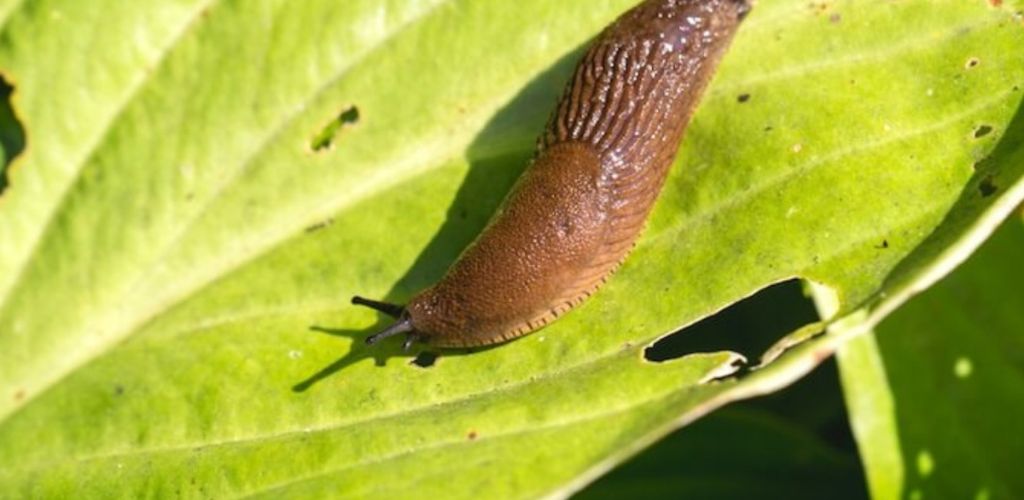
They love moist environments and can quickly decimate young plants and tender leaves. You want to get rid of them NOW and forget about them until the end of the season – that’s the dream of every gardener!
While “forgetting about them” completely until the end of the season might be a tall order without continuous vigilance, these 4 effective methods can drastically reduce their numbers and keep your plants safer. It’s often best to use a combination of these approaches for the most success.
1. The Beer Trap (Bait & Kill) 🍺
This is a classic and surprisingly effective method that attracts slugs and snails with an irresistible scent, then drowns them.
- How it works: Slugs are drawn to the yeast in beer. They crawl in, fall in, and can’t get out.
- How to use it:
- Preparation: Dig small holes in your garden bed (or use shallow containers like old yogurt cups or tuna cans) so that the rim is at ground level.
- Fill: Pour a small amount of beer (any cheap lager works well) into the containers. Don’t fill it to the brim, about an inch (2-3 cm) is enough.
- Placement: Place these traps around your most vulnerable plants or in areas where you see high slug activity.
- Maintenance: Check the traps daily and empty any drowned slugs. Refill with fresh beer every 2-3 days, as the scent fades.
- Why it’s effective: It’s highly attractive to slugs and kills them, reducing the population directly.
2. Physical Barriers (Deter & Protect) 🚧
Creating barriers around your plants can prevent slugs from reaching them in the first place.
- How it works: Slugs don’t like to crawl over rough, sharp, or irritating surfaces.
- How to use it:
- Materials: Create a ring around individual plants or entire beds using materials like:
- Crushed Eggshells: Wash and dry eggshells, then crush them into small, sharp pieces.
- Diatomaceous Earth (DE): A natural, non-toxic powder made from fossilized diatoms. It’s abrasive to slugs (cuts their skin) and dehydrates them. Use food-grade DE and apply when dry, as it becomes ineffective when wet.
- Copper Tape/Wire: Slugs get a mild electric shock when they touch copper.
- Sand or Wood Ash: A thick band of dry sand or wood ash can also be a deterrent.
- Placement: Apply a barrier that is at least 1-2 inches (2.5-5 cm) wide around the plants you want to protect.
- Materials: Create a ring around individual plants or entire beds using materials like:
- Why it’s effective: It creates a physical deterrent that slugs are reluctant to cross, protecting specific plants. Needs reapplication after rain.
3. Hand-Picking (Direct Removal) 🧤🔦
Simple, effective, and environmentally friendly, though it requires consistency.
- How it works: You physically remove the slugs from your garden.
- How to use it:
- Timing: Slugs are most active after dark, especially on damp evenings or after rain.
- Tools: Go out into your garden with a flashlight and a bucket of salty water or soapy water (to drown them).
- Method: Pick them up (wear gloves if you prefer, or use tongs) and drop them into the bucket.
- Disposal: Once they’ve drowned, you can bury them or add them to your compost pile (if you’re sure they’re fully deceased and not just stunned).
- Why it’s effective: Directly removes slugs from your garden, immediately reducing the threat to your plants. Consistency is key to making a noticeable difference.
4. Improve Garden Hygiene & Drainage (Habitat Control) 💧🧹
This is a long-term strategy that makes your garden less appealing to slugs.
- How it works: Slugs thrive in moist, dark, undisturbed environments. By eliminating these conditions, you make your garden less hospitable.
- How to use it:
- Remove Debris: Clear away leaf litter, fallen branches, old pots, and any other garden debris where slugs can hide during the day.
- Watering Wisely: Water your plants in the morning, rather than the evening. This allows the soil surface to dry out before nightfall, making it less attractive to slugs. Water at the base of plants to avoid unnecessary dampness on leaves.
- Spacing: Ensure plants are spaced adequately for good air circulation, which helps the soil surface dry faster.
- Mulch Wisely: While mulch retains moisture, which slugs love, some types of mulch (like pine needles or coarse bark) can be less appealing to crawl over than flat, damp leaves.
- Why it’s effective: Reduces the overall slug population by making your garden a less suitable habitat for them over time.