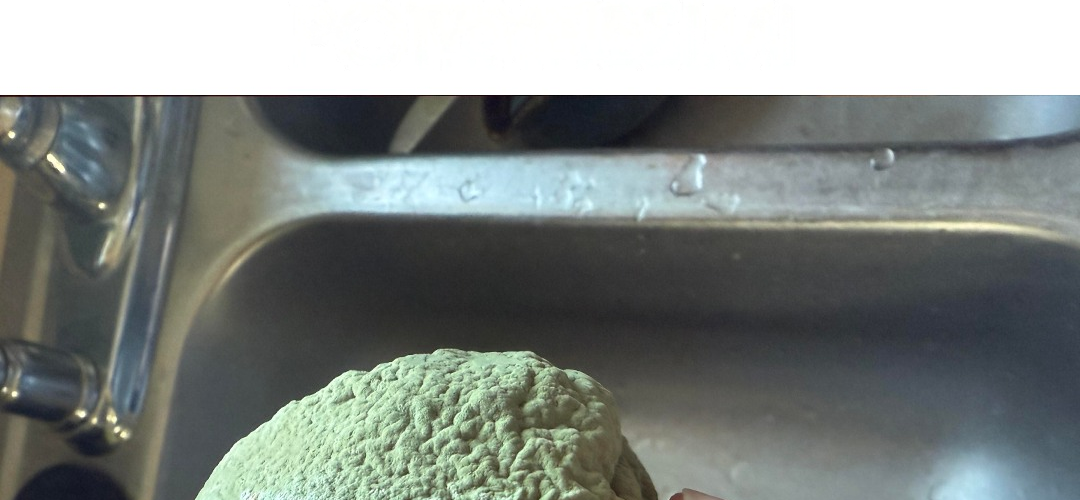
Oh, this is a real social media classic and gardening myth! I totally get why it sounds like a great upcycling trick at first glance. But honestly: Please don’t do it!
What seems like an eco-friendly secret tip is unfortunately more like biological sabotage for your garden. Here’s why a moldy lemon is not a good idea:
The Penicillium Problem
The typical green-white mold on citrus fruits is usually caused by the fungus Penicillium digitatum or Penicillium italicum.
Danger: If you throw this lemon in the garden or on the compost heap, you will spread millions of microscopic mold spores.
The result: The wind will spread the spores further and, in the worst case, they can infect other plants or stored fruits and vegetables.
Citrus Fruits and Compost
Even if the lemon is not moldy, citrus fruits in the garden should be handled with care:
Acid content: High acidity slows down the natural decomposition process.
Enemies of Compost: The intense smell and essential oils in the peel repel useful garden helpers like earthworms, which we desperately need for healthy soil.
What should you do with them instead?
When a lemon is moldy, it has served its biological purpose. The safest place for it is actually a biowaste bin (where professional hot composting equipment destroys the spores) or a regular trash can.
Fresh Lemon Scraps Tip: If you have fresh (non-molded) lemon peels left over, you can dry them and crush them in small amounts to repel ants – they really don’t like the smell.
Want to use your lemon tree for a specific problem in your garden, like pest control or fertilizer?