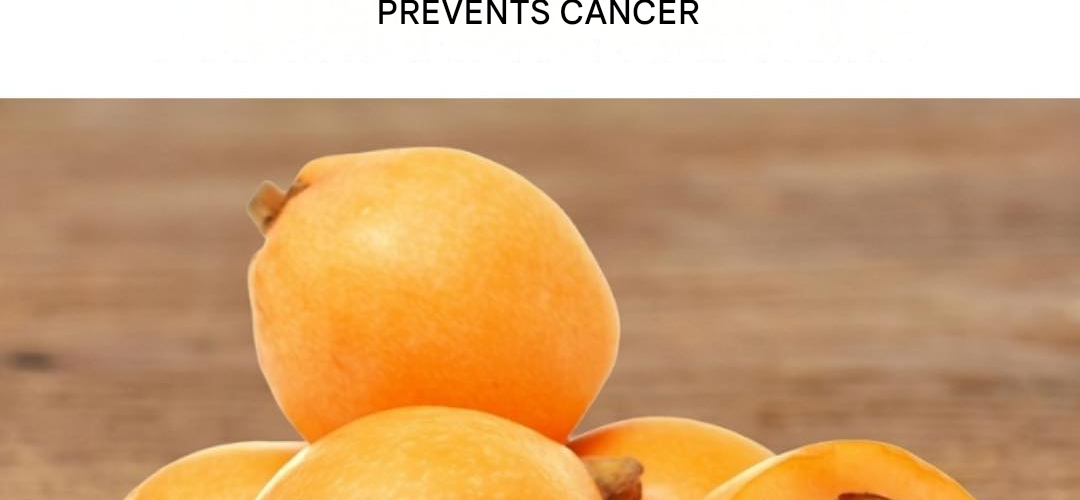
The common medlar (Mespilus germanica) is a half-forgotten fruit treasure of our gardens. Although you won’t find it in supermarkets today, our ancestors knew very well why they grew it.
The claims that it lowers cholesterol, helps with digestion and boosts immunity are not just “old wives’ tales” – they have a real basis in its nutritional composition. Let’s take a look at what’s true about these bold claims and how this interesting fruit actually works.
- Natural laxative and intestinal helper
The word “laxative” may sound scary, but in the case of medlar, it is a very gentle and natural regulation of digestion.
High in fiber: Medlars are literally loaded with pectin (soluble fiber). Fiber cleanses the intestines, binds toxins, and promotes peristalsis.
Ripeness is key: Pay attention to the condition in which you eat them. Unripe medlars are strongly astringent due to their high tannin content and are used more for diarrhea. On the contrary, softened, “rotten” (properly aged) medlars act as a gentle laxative and help with constipation.
- Lowering cholesterol
This effect is directly related to the aforementioned fiber.
Mechanism of action: Soluble fiber (pectin) works like a sponge in the digestive tract. Bile acids, which contain cholesterol, bind to this fiber and are then excreted by the body instead of being reabsorbed.
Result: Regular consumption of loquats (or products made from them) naturally helps to reduce the level of “bad” LDL cholesterol in the blood.
- “Triple” immunity?
To say that it exactly triples immunity is more of a marketing metaphor, but the truth remains that loquat is an immune bomb.
Vitamin C and A: These are powerful antioxidants that protect cells from oxidative stress and support the production of white blood cells.
Flavonoids and phenols: These substances have proven anti-inflammatory and antibacterial effects. They help the body fight infections before they fully develop.
- Cancer prevention
No fruit on its own can cure cancer, but loquat contains substances that significantly contribute to its prevention:
Free radical scavengers: Antioxidants contained in the pulp and peel neutralize free radicals that cause cell mutations and lead to cancer.
Healthy colon: By speeding up the passage of food through the intestines and cleansing them, loquat dramatically reduces the time during which the intestinal walls are exposed to potentially carcinogenic substances from food.
💡 A little tip for consumption:
Don’t eat loquats right after they are picked from the tree – they are hard and bitter. They need to go through the first frosts or lie in the cellar for a few weeks until they completely soften (so-called browning or rotting). Only then do they have the right, sweet-sour taste reminiscent of applesauce with a hint of cinnamon.