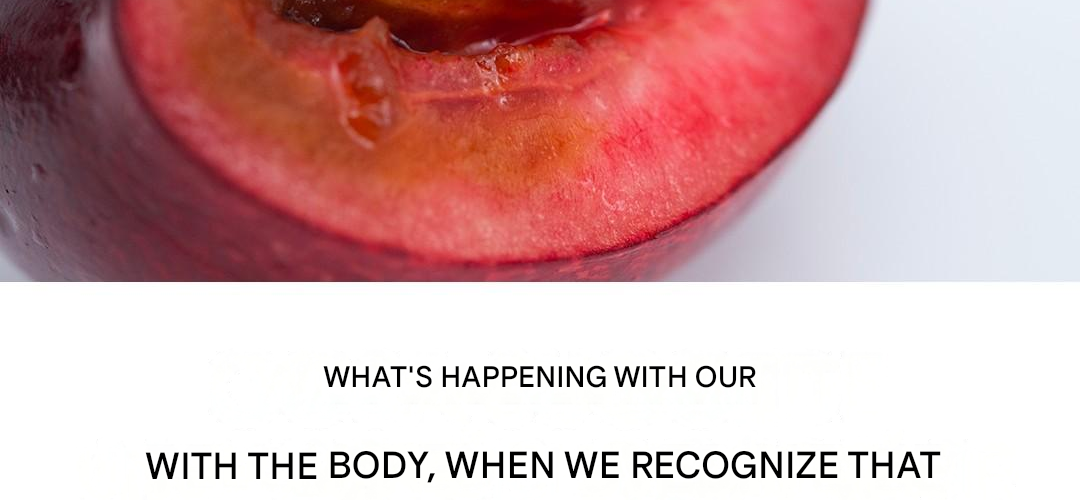
Don’t panic! Even if the sight is a bit disgusting at first, a worm in your fruit is absolutely not the end of the world. In fact, it’s even a sign that the fruit has grown naturally and hasn’t been over-treated.
Here’s a simple guide to what you can do now:
- Stay calm and cut it away
The good news first: Most “worms” in homegrown fruit (like the larvae of the codling moth or the cherry fruit fly) are completely non-toxic to humans.
Simply cut away the affected area and the surrounding tissue generously with a knife.
The rest of the fruit is usually still perfectly edible.
- When should you throw the fruit away?
There are a few exceptions where you should discard (or compost) the fruit entirely:
Heavy infestation: If the fruit is riddled with holes or already looks rotten and brown inside.
Mold: If mold has already formed around the boreholes. Mold spores spread invisibly in the water-rich fruit and can be harmful to your health.
Exotic fruit: Extra caution is advised with imported fruit from the tropics, as larvae from these regions can transmit other bacteria. If in doubt, it’s best to discard the fruit.
- What happens if I accidentally ate it?
Rest in mind: If you have already swallowed the worm or maggot without realizing it, nothing will normally happen. Human stomach acid is extremely aggressive and easily breaks down the larva. There is no risk of the worm becoming embedded in the human body.
- Tips for the future
Wash and inspect thoroughly: Before biting into apples, pears, plums, and cherries, take a quick look. Are there any small puncture holes or soft spots?
Cherry test: If you’re unsure about fresh cherries, place them in cold water for about 10–15 minutes. If there are maggots inside, they will struggle to breathe and crawl out of the fruit on their own.
Store properly: Ripe fruit attracts fruit flies and other pests. In summer, it’s best to store it in the refrigerator or consume it quickly