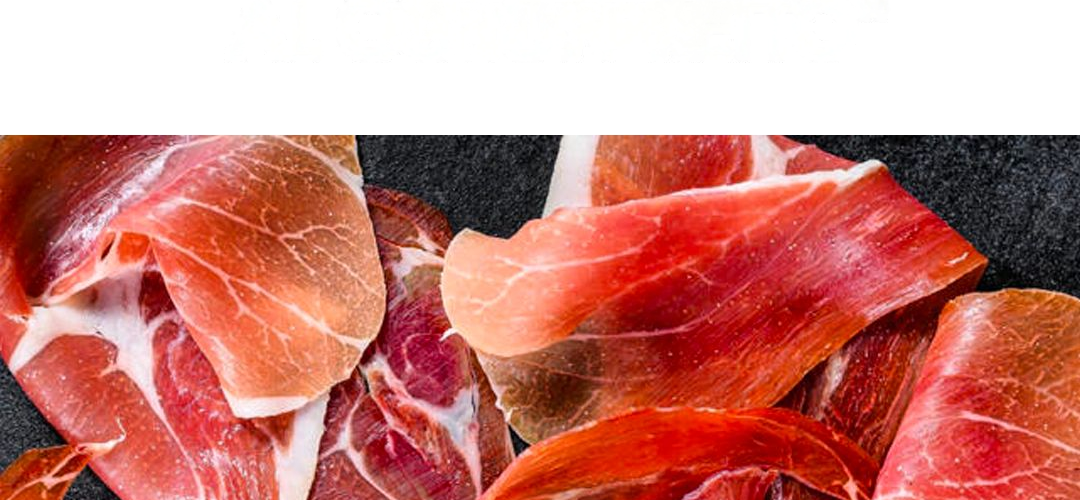
Yes, this warning has a solid scientific basis and is not fear-mongering. The World Health Organization (WHO) has officially classified processed meats—which include cured meats like ham, salami, bacon, and Vienna sausages—as carcinogenic to humans (Group 1). This puts them in the same category of evidence as tobacco smoke or asbestos.
To put the risk into perspective, it helps to look at the details:
Why do cured meats increase the risk of cancer?
The problem usually lies not in the meat itself, but in its processing and preparation:
Nitrites and nitrates: These salts are used for curing to preserve the meat and give it its typical pink color. In the stomach (or when cooked at high heat), nitrosamines can form, which have been proven to damage the DNA of cells in the intestinal lining.
Heme iron: The red pigment in meat can also promote the formation of harmful nitrogen compounds in the intestines.
Smoke and heat: Smoking or searing often produces polycyclic aromatic hydrocarbons (PAHs) and heterocyclic aromatic amines (HAAs), which are also carcinogenic.
How high is the risk really?
Classification in “Group 1” simply means that the evidence is absolutely clear – it does not mean that eating ham is as dangerous as smoking.
According to the International Agency for Research on Cancer (IARC), the relative risk of colorectal cancer increases by about 18% if you eat 50 grams of processed meat daily (this corresponds to about two slices of ham or a small sausage).
In absolute numbers:
Of 1,000 people who eat very little processed meat, about 56 will develop colorectal cancer during their lifetime. Of 1,000 people who eat a lot of cured meats every day, about 66 will. The risk is therefore increasing, but remains manageable for the individual.
What is recommended?
The German Nutrition Society (DGE) and other health organizations advise significantly reducing the consumption of red meat, and especially cured meats and sausages. An occasional salami sandwich or a piece of ham won’t kill anyone immediately—it’s the quantity and regularity that make it harmful.