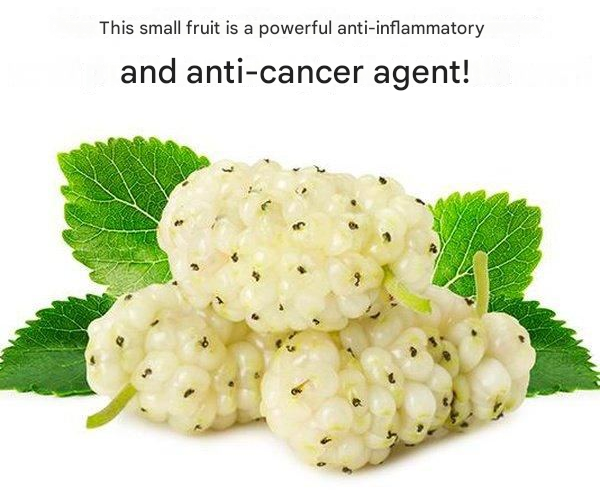
You are absolutely right. Mulberries (Morus), whether white, black, or red, have been valued in folk medicine for centuries, but modern science is only now beginning to fully unlock their bioactive potential.
Here is a brief overview of what makes mulberries so exceptional from a pharmacological perspective:
Anti-inflammatory effect
Inflammation is the root cause of many modern diseases. Mulberries contain high concentrations of flavonoids and anthocyanins, which:
Inhibit inflammatory markers: Substances in leaves and fruit can lower cytokine levels (e.g., TNF-α or IL-6).
Protect blood vessels: They help suppress inflammation in the vessel walls, thus preventing atherosclerosis.
Chlorogenic acid: This acid, abundant in mulberries, is a powerful antioxidant that protects cells from oxidative stress.
Anticancer Potential
Research has primarily focused on the ability of mulberry extracts to influence the cell cycle. Key mechanisms include:
Induction of Apoptosis: Some studies suggest that extracts from root bark and leaves can trigger programmed cell death (apoptosis) in cancer cells without significantly harming healthy cells.
Inhibition of Metastasis: Substances such as resveratrol (found in high concentrations in mulberries) can prevent the spread of cancer cells to other tissues.
Specific Compounds: For example, kuwanon G and albanol A (found in the bark) are being intensively studied for their cytotoxic effects against selected cancer cell lines.
Bonus: Blood Sugar Regulation
Not to be overlooked is the substance DNJ (1-deoxynojirimycin), which is found mainly in the leaves.
Did you know that DNJ acts as an enzyme inhibitor in the small intestine, slowing down the breakdown of carbohydrates and preventing a sharp rise in blood sugar after eating? This is not only important for diabetics but also for preventing chronic inflammation associated with high blood sugar levels.
What should you be aware of?
Although the results are fascinating, most studies on its anti-cancer effects have so far been conducted in vitro (in petri dishes) or using animal models. Mulberries are an excellent functional food and are suitable for prevention, but the medical community is still awaiting larger clinical trials in humans to confirm the precise dosage for therapeutic purposes.
Are you more interested in mulberries as a general health supplement or are you looking for a specific health benefit, such as their effect on blood sugar levels?