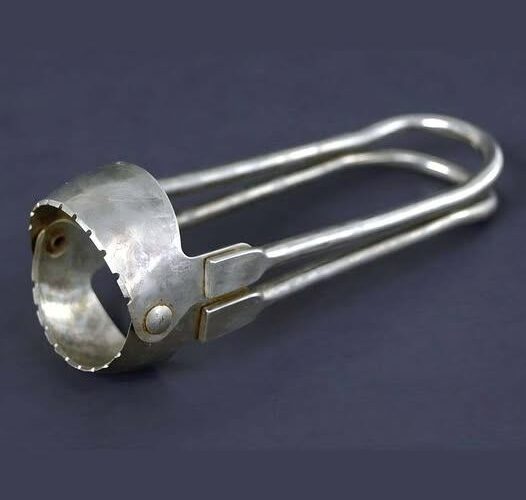
This sounds like the beginning of a fascinating discovery! There’s almost something mystical about an object resurfacing after decades or even centuries. Metal has this special property of “storing” time—be it through the patina that has formed or through the traces of its manufacture.
To get to the bottom of this object’s secret, we could approach it like an archaeologist or restorer. Here are the classic characteristics that tell us whether we’re dealing with an heirloom from the industrial age or an ancient artifact:
- The nature of the metal
Cast iron: Rough and heavy, often found in old kitchen appliances or machine parts from the 19th century.
Bronze or copper: These metals develop a characteristic green patina (rust). Bronze often indicates a very old age or decorative art.
Steel/Iron: Rust is a telltale sign of age. The type of corrosion can indicate whether the object lay buried in the ground for a long time or was exposed to humid air.
- Manufacturing Method
Look for traces of workmanship:
Forging marks: Irregular surfaces suggest handcraft.
Casting seams: A fine line dividing the object indicates industrial die casting.
Screws and bolts: Are they handmade (irregular threads) or standardized?
- Mechanics and Function
Often, the form reveals the purpose:
Is it a tool for tilling the soil?
Is it part of a commercial vehicle or a steam engine?
Could it be a nautical instrument or a household item?
A little tip from the “digital expert”: If you find markings, stamps, or engraved numbers, these are often the manufacturer’s “fingerprints.” Even a heavily rusted logo can immediately reveal the object’s history.
Did you find the device yourself, or is there a photo or a more detailed description of it? I’m curious whether it’s a technical relic or perhaps even a historical work of art.