Orchids are very easy to care for when you follow the basic gardening rules. They do not require a lot of maintenance and can quickly become a beautiful plant to decorate your interior if they are cared for. This plant, a symbol of fertility, will brighten up your interior with its butterfly-shaped flowers. However, to maintain a beautiful indoor plant and obtain optimal flowering, you have to know how to grow it.
Here are some natural tips for properly planting your orchids at home and keeping them for the long term. You will have beautiful flowering plants and beautiful flowers on your orchids.
Lemon, the best ally for an orchid
For this beautiful indoor plant, nothing better than lemon to grow it. Orchids are acid-loving flowering plants. For healthy roots and foliage, lemon is the best ally for your orchids. It is perfect for cleaning the leaves and preventing the proliferation of fungi at the root level. In addition, lemon can serve as a natural insecticide thanks to its disinfectant active ingredients that will drive away all insects and other rodents from the leaves. Especially since lemon is rich in potassium and vitamin C that favor the flowering of orchids. However, pouring lemon directly onto the plant is strongly discouraged. Citric acid present in lemon could harm this perennial plant.
How to use lemon in an orchid?
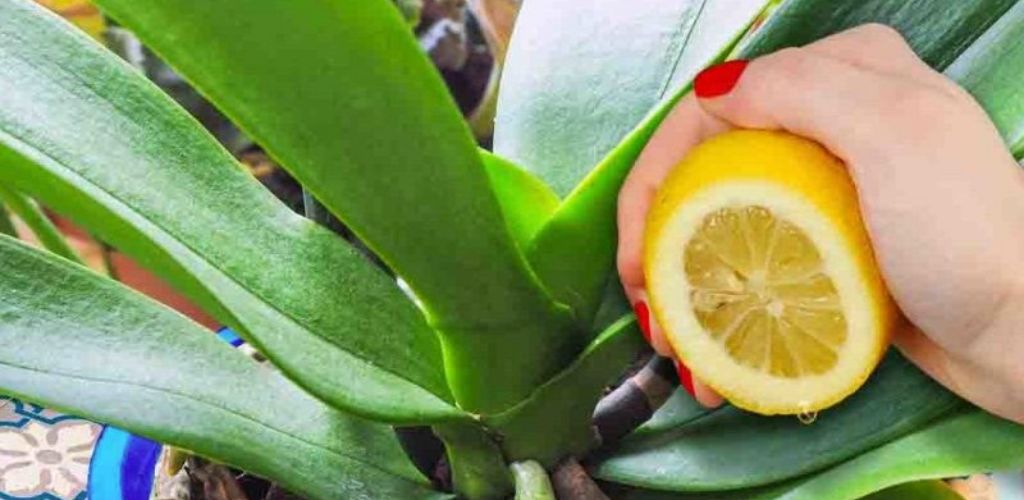
First method: You need lemon, water and cotton. Pour the equivalent of ten drops of lemon juice into a container containing 200 ml of water. Take a cotton ball that you will soak in this mixture of water and lemon and then drain it. Then gently wipe the almost dry cotton over the leaves of your orchid to clean them. No water should be seen running down the leaves. It is advisable to perform this operation only once a week. Helps repel insects like mealybugs.
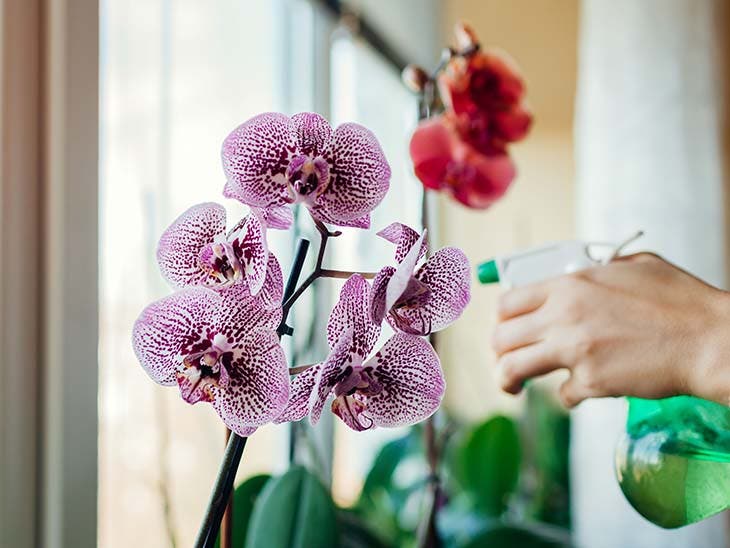
Second method: Pour the equivalent of three drops of lemon juice into a spray bottle containing 200 ml of water and shake the bottle well to mix everything. You can then spray the mixture over the base of your houseplant. This method also keeps out insects that sneak into the roots of your houseplant and thus prevents disease. It is advisable to put your orchids in a transparent plastic pot to be able to check their roots. You can use this trick once a month to maintain your plant.
Where to place an orchid inside?
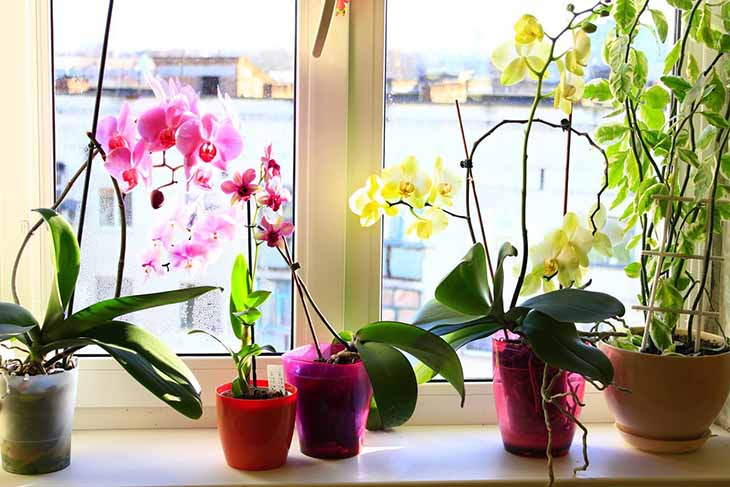
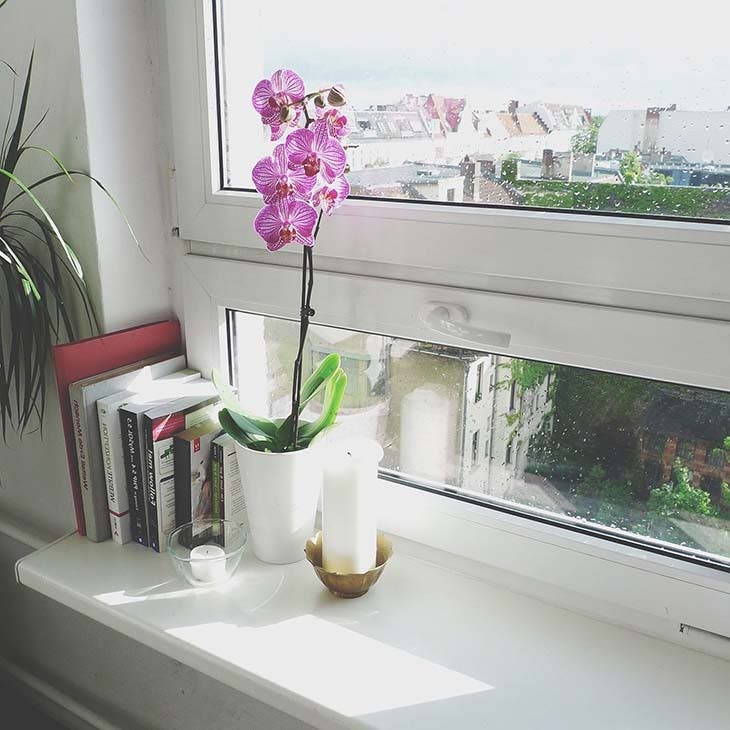
Orchids should be placed in a bright room. They grow best when exposed to the sun. You can put them near a window so that their exposure to daylight is not direct. If you decide to move your houseplants, you have to take precautions. For example, in the case of orchids, avoid handling them when they are forming buds. This change could cause your bloom to stop suddenly and you may get wilted flowers. These plants can also form accordion-shaped leaves. That is why when you put your houseplant in one place, you should leave it as long as possible.
When should an orchid be watered?
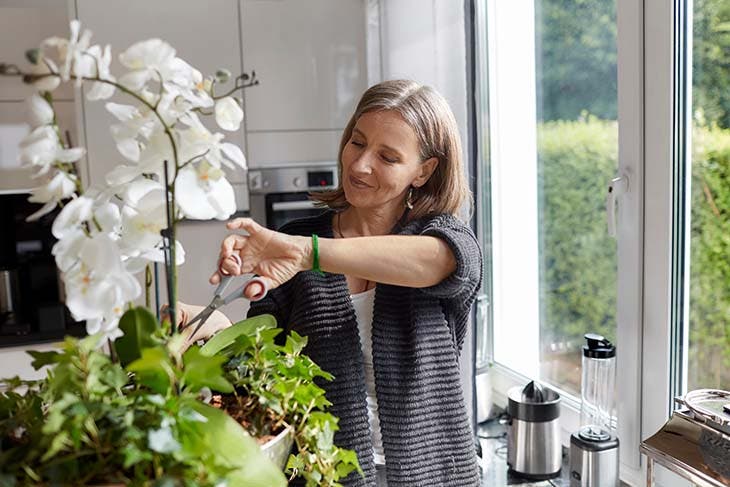
You are almost ready to take care of your orchid and give it all the attention it needs for optimal flowering and beautiful white flowers. Now the orchid is a moisture-loving flower. Therefore, it is not necessary to water it too much. It is more likely to die from excess water than from drought. It is advisable to water it with rainwater or as explained above with water and lemon because it does not support hard water. Since these plants appreciate moisture, you can mist their leaves and stems fairly frequently with a spray bottle that you leave out at room temperature. If your orchid is blooming, water it every ten days. If it is not yet in bloom, you can wait up to fifteen or twenty days.
In conclusion, orchids require little maintenance but light. To stimulate their growth, you can always add nitrogenous fertilizer to your orchids. During winter periods, avoid placing your orchid near a radiator. They like humidity and hate heat.