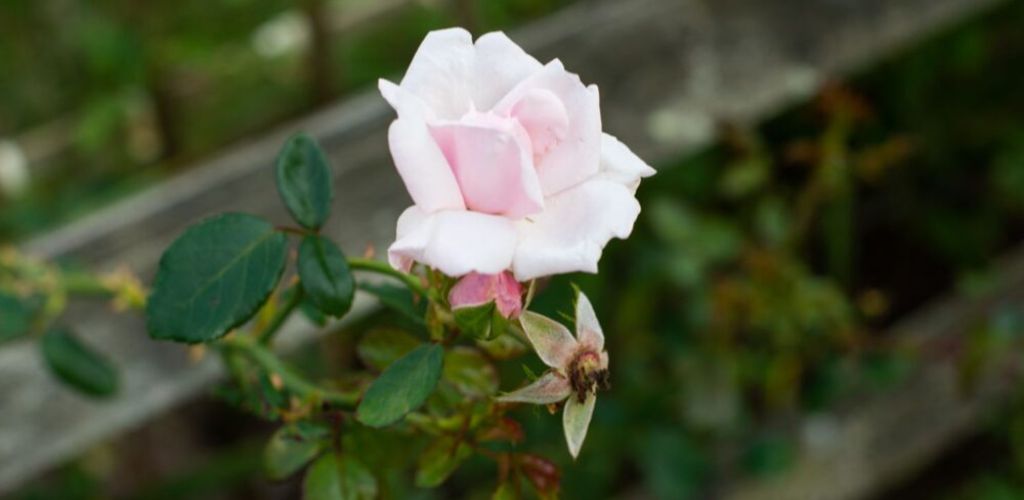
There’s an open secret about roses: not only are they easy to propagate, but making more of these plants is one of the best and most magical parts of having them around. You could sprout seeds, but growing roses from cuttings is the easiest way to reproduce your favorite varieties. There are several practical reasons to propagate roses from cuttings. If you have a variety that does especially well in your garden, rooting a few cuttings of that rose provides an inexpensive way to increase your collection. Or you may want to create backups of a rare variety or heirloom rose. Homegrown rose cuttings are also great for trading with other gardeners. Here’s how to grow roses from cuttings, divided into 10 easy steps.

The best time to take rose cuttings
You can successfully root rose cuttings at any time of the year. But for more consistent results, check the weather forecast. Plan to take your cutting when daytime temperatures are above 55°F and below 90; The ideal is between 70 and 80. It will probably be in the spring and fall. It is also best to take cuttings early in the morning.
What You’ll Need
Instructions
In general, growing roses from cuttings is a straightforward process. Every time you prune your rose plants or cut dead flowers, you change the balance of hormones in the removed stem. Under the right conditions, changes stimulate it to put down roots. The resulting plant is identical to the matrix.

Water the day before.
Healthy and well-hydrated roses root better. In addition to making sure you keep the mother plants in good shape throughout the growing season, water them the day before you take your cuttings.
Take the cuttings
Choose the stems immediately below the flower buds that are about to open. The second best option is the stems below the flowers that have started to drop petals. Aim for cuttings that are 4 to 8 inches long with three to five nodes (the regular intervals where buds, leaves, and stems emerge). The cut at the bottom should be about a quarter inch below a knot, and the cut at the top should be about a quarter inch above a knot.
Bonus Tip: Thick-heeled wood roots are easier. It is found at the base of a stem just where it emerges from another stem. Try to pull the stem out from where it joins. Or, lightly trim older shoots with a sharp knife.

how to grow roses from cuttings put rose stems in water
put cuttings in water
immediately place cuttings in a container of water away from direct sunlight. Or, wrap the cuttings in damp paper towels and place in the refrigerator. You want to keep the cut stems as hydrated as possible.
Cut the bottom end of the cuttings
Rooting is part of the response to rose wounds. Encourage further rooting by vertically cutting the green skin in the bottom inch of the cutting. Do this two to four times spaced roughly evenly. Or you can gently scrape off a strip or two of green skin from the bottom inch (just don’t remove the skin around the paw). If the variety has large thorns, pulling them out from the base also damages the stem enough to stimulate root development.
Dip the cuttings in rooting hormone. If
you are using rooting hormone, apply it about two inches from the base of the cuttings. If you’re looking to grow roses from cuttings without rooting hormones, steps 1-4 are even more important.

Remove the flowers and most of the leaves.
Cut off the flower bud or spent flower and all but the top leaf or two. Cut back the top leaves to three or four leaflets total. Cut the bud from the lowest node to encourage root growth.
Place the cuttings in potting soil.
Place rose cuttings about two inches tall in a container of potting soil. Press the compost around the stem and water abundantly. Then add the moisture cover and place the pot in a spot with indirect sunlight. This could be on a covered porch, on the side of a shed, or under trees. Some people choose to root rose cuttings inside a shady window.
Check the cuttings periodically. If
the moisture cover is not ventilated, raise it briefly a couple of times a week. There shouldn’t be a need to add more water unless the potting soil appears to be drying out completely. Every time you lift the lid, check for any cuttings that have turned brown all the way to the base and remove them, along with any fallen leaves.
Remove the moisture cover.
Rooting can occur within a couple of weeks, but expect it to take a month or two. When you start to see roots from the side or bottom of the pot and new leaf growth, you can begin to acclimatize the new roses outside of the moisture cover. If you have rooted several of them in one pot, you should carefully transplant them into individual containers.